Prediction Markets Challenge Traditional Sportsbook Boundaries
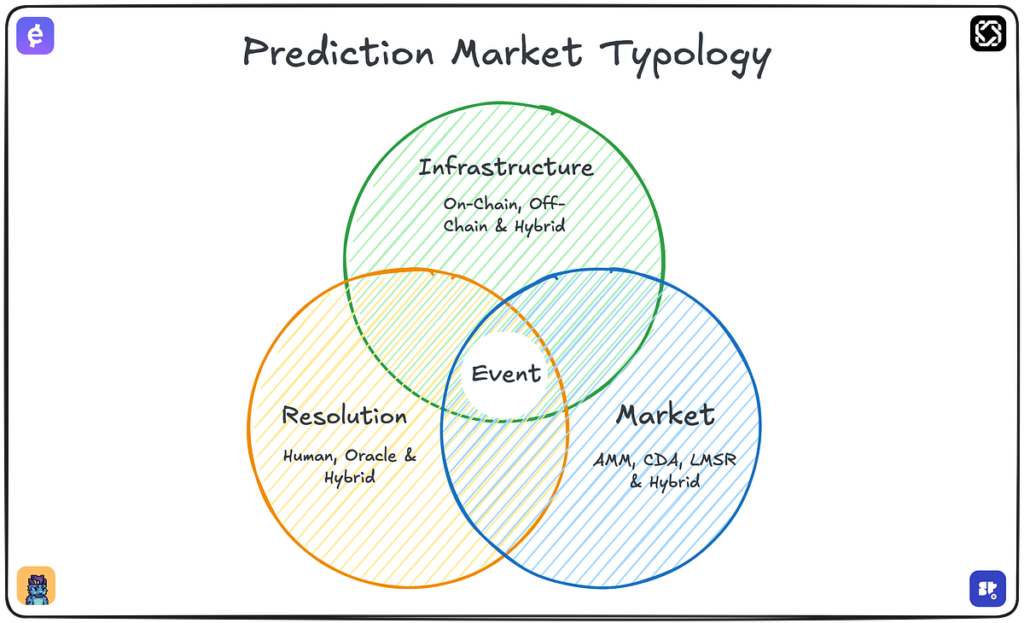
The Blurred Lines Between Betting and Forecasting
The rapid evolution of prediction markets has created an unexpected regulatory minefield for traditional sportsbooks, particularly in the esports sector where the boundaries between skill-based forecasting and gambling have become increasingly murky. What started as academic exercises in crowd-sourced predictions has morphed into sophisticated platforms that mirror traditional betting operations, leaving regulators scrambling to define where legitimate forecasting ends and regulated gambling begins.
The distinction matters more than ever as esports prediction markets have exploded in popularity, with platforms reporting a 340% increase in user engagement during major tournaments like The International 2026 and the League of Legends World Championship. Unlike traditional sports betting, these markets often involve complex, multi-layered propositions about roster changes, meta shifts, and tournament outcomes that extend far beyond simple match results.
Consider the recent controversy surrounding predictions about team roster announcements. When FaZe Clan’s Counter-Strike roster changes were being speculated upon in prediction markets weeks before official announcements, traditional sportsbooks like 22Bet found themselves competing with unregulated platforms offering similar wagering opportunities under the guise of “information markets.”
Regulatory Arbitrage Creates Unfair Competition
The core issue plaguing regulators isn’t just definitional—it’s economic. Licensed sportsbooks operate under strict compliance frameworks that require everything from responsible gambling measures to tax obligations and customer verification protocols. Meanwhile, prediction markets often operate in regulatory gray areas, claiming exemptions as “research platforms” or “information aggregation services” while offering functionally identical experiences to traditional betting.
Data from the European Gaming and Betting Association shows that unlicensed prediction platforms captured approximately €2.8 billion in volume during 2026, representing money that would traditionally flow through regulated channels. This regulatory arbitrage creates an uneven playing field where compliant operators face competitive disadvantages against platforms that sidestep traditional gambling oversight.
“We’re seeing prediction markets that look, feel, and operate exactly like sportsbooks, but they claim regulatory immunity because they’re supposedly ‘predicting’ rather than ‘gambling,'” explains Dr. Sarah Chen, Director of Gaming Policy at the International Betting Integrity Association. “The distinction has become so thin that it’s essentially meaningless from a consumer protection standpoint.”
Esports Complexity Amplifies the Challenge
Esports betting presents unique complications that traditional sports regulation never anticipated. The rapid pace of meta changes, frequent roster shuffles, and the digital nature of competitions create countless prediction opportunities that exist in regulatory limbo. When Team Liquid announced their Dota 2 roster restructuring in March 2026, prediction markets were already offering odds on potential replacement players before traditional sportsbooks could even assess the regulatory implications of such propositions.
The technical complexity of esports also enables more sophisticated prediction mechanisms. Markets now exist for everything from patch update impacts on team performance to streaming viewership numbers during tournaments. These micro-markets often fall outside traditional sports betting definitions, yet they generate significant monetary flows and create the same consumer risks that gambling regulation aims to address.
Tournament organizers have begun expressing concern about prediction markets affecting competitive integrity. Riot Games reported investigating 23 separate instances in 2026 where prediction market activity potentially influenced player behavior or strategic decisions, highlighting how these platforms can impact the very competitions they’re predicting.
Cross-Border Enforcement Nightmares
The global nature of esports compounds regulatory challenges exponentially. A prediction market might be hosted in Malta, accept users from the UK, predict outcomes of tournaments in South Korea, and process payments through Singapore—all while claiming exemption from gambling laws in each jurisdiction. This regulatory fragmentation makes enforcement nearly impossible and creates safe havens for operators seeking to avoid compliance obligations.
Recent data from the UK Gambling Commission reveals that 67% of prediction market operators serving UK customers are based in jurisdictions with minimal gambling oversight. These platforms often use blockchain technology and cryptocurrency payments to further obscure their operations and make traditional regulatory enforcement mechanisms ineffective.
“The decentralized nature of many prediction platforms makes them incredibly difficult to regulate using traditional frameworks,” notes Marcus Rodriguez, former regulatory affairs director at the Malta Gaming Authority. “By the time we identify a problematic platform, it’s often already migrated to a new jurisdiction or technical infrastructure.”
Consumer Protection Gaps Widen
Perhaps the most concerning aspect of the prediction market boom is the erosion of consumer protections that licensed gambling operators are required to provide. Traditional sportsbooks must implement deposit limits, self-exclusion tools, and problem gambling identification systems. Prediction markets operating outside gambling frameworks often provide none of these safeguards while attracting the same at-risk populations.
Research conducted by the International Centre for Gaming Research found that 43% of prediction market users showed signs of problematic gambling behavior, yet only 12% of platforms offered any form of harm minimization tools. The study tracked user behavior across multiple platforms during the 2026 esports season and found concerning patterns of chase betting and loss-chasing behavior that would trigger intervention protocols on licensed platforms.
The age verification standards on prediction platforms also vary wildly. While licensed sportsbooks face severe penalties for accepting underage customers, many prediction markets rely on basic self-declaration or no verification at all. This creates particular risks in esports betting, where the core demographic skews younger and may not fully understand the financial implications of their participation.
Technology Outpaces Legal Frameworks
The rapid technological evolution of prediction markets has left legal frameworks struggling to keep pace. Smart contracts on blockchain platforms now enable automated prediction resolution and payout distribution without human intervention, making traditional concepts like “operator responsibility” increasingly meaningless. When a prediction market operates entirely through code deployed on a decentralized network, who exactly is responsible for ensuring regulatory compliance?
Artificial intelligence integration has further complicated matters. Some platforms now use machine learning algorithms to generate odds and manage risk in real-time, creating prediction mechanisms that adapt faster than regulators can analyze them. The European Union’s proposed AI Act includes provisions for gambling applications, but prediction markets often claim exemption by positioning themselves as analytical tools rather than gambling platforms.
The emergence of social prediction features has blurred lines even further. Platforms now gamify predictions with leaderboards, achievements, and social sharing features that create engagement patterns identical to gambling products while claiming to be educational or entertainment-focused services.
Industry Adaptation and Regulatory Response
Forward-thinking jurisdictions are beginning to develop more nuanced regulatory approaches that focus on consumer risk rather than technical definitions. The Isle of Man’s updated gambling framework, implemented in late 2026, includes specific provisions for prediction markets that generate monetary value, regardless of how operators classify their services.
Some traditional sportsbooks are adapting by launching their own prediction market divisions within their licensed frameworks. This allows them to compete directly with unregulated platforms while maintaining compliance standards. However, this approach requires significant regulatory approval processes and often limits the types of markets that can be offered.
The industry is also seeing increased collaboration between regulators and technology providers to develop automated compliance monitoring systems. These tools can identify when platforms are offering gambling-like services regardless of their stated purpose, potentially closing regulatory loopholes that prediction markets currently exploit.
The Path Forward for Regulatory Clarity
The resolution of prediction market regulatory challenges will likely require fundamental changes to how gambling law approaches risk and consumer protection. Rather than focusing on specific product definitions, future frameworks may need to emphasize functional regulation that addresses any platform where users risk money on uncertain outcomes.
International coordination will be essential given the cross-border nature of both esports and prediction platforms. The recent formation of the Global Gaming Regulators Forum represents a promising step toward harmonized approaches, but implementation remains challenging given varying national priorities and legal systems.
The esports industry itself may need to take more active roles in defining acceptable prediction activities. Tournament organizers and game publishers have significant influence over their ecosystems and could implement standards that distinguish between legitimate forecasting and potentially harmful speculation.
As prediction markets continue evolving, the regulatory response will ultimately determine whether these platforms enhance the esports ecosystem through improved information aggregation or create new risks that undermine both competitive integrity and consumer protection. The decisions made in the next few years will shape how we balance innovation with responsibility in the digital gambling age.